
That unsettling sensation of your car shaking as you press the accelerator can be more than just annoying; it's your vehicle's way of telling you that something isn't quite right under the hood. Understanding the potential causes can help you address the issue promptly and keep your ride safe and smooth. At The Car ER, we're committed to helping our community drive with confidence, and that starts with understanding common car troubles. Let's delve into why your car might be vibrating when you accelerate.
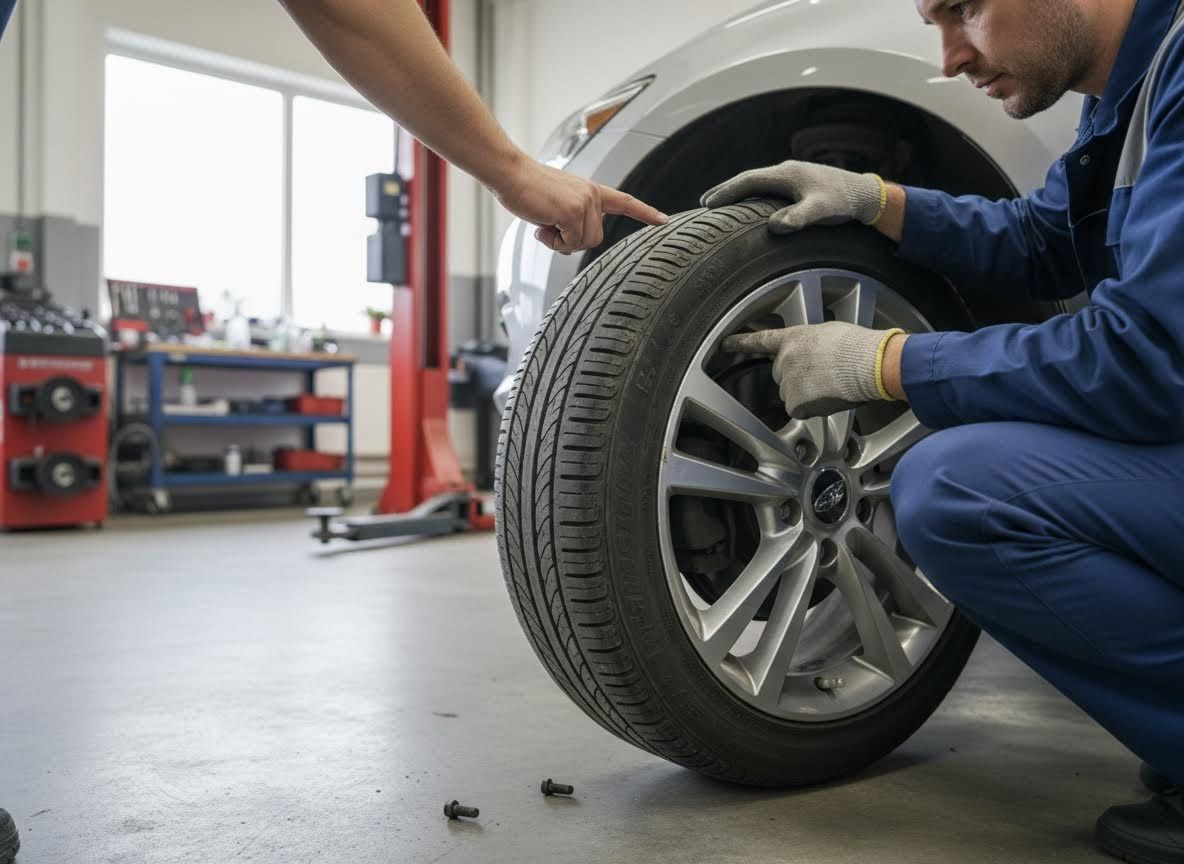
The Usual Suspects: Tires and Wheels
One of the most frequent reasons for car shakes during acceleration often lies with your vehicle's connection to the road: its tires and wheels. If your tires are unbalanced, have a bent rim, or if your wheels are out of alignment, you'll likely feel vibrations that become more pronounced as you speed up. Unbalanced tires create an uneven distribution of weight, leading to a bumpy ride. A bent rim can cause a similar issue, making the wheel literally "wobble" as it spins. Even minor alignment issues can contribute to this, putting undue stress on other components and causing a noticeable shake.

Drivetrain Components: Power Transfer Problems
The drivetrain is responsible for transferring power from your engine to your wheels. Issues within this system can definitely lead to shaking under acceleration. For front-wheel-drive vehicles, Constant Velocity (CV) joints are common culprits. These joints allow the wheels to move up and down and turn left and right while still receiving power. If a CV joint boot tears, dirt and moisture can get in, leading to wear and tear that manifests as a shaking or clicking noise, especially during acceleration or turning. In rear-wheel-drive or all-wheel-drive cars, problems with the driveshaft or universal joints (U-joints) can cause vibrations. A bent or unbalanced driveshaft, or worn U-joints that connect sections of the driveshaft, will struggle to transfer power smoothly, resulting in a noticeable shake.
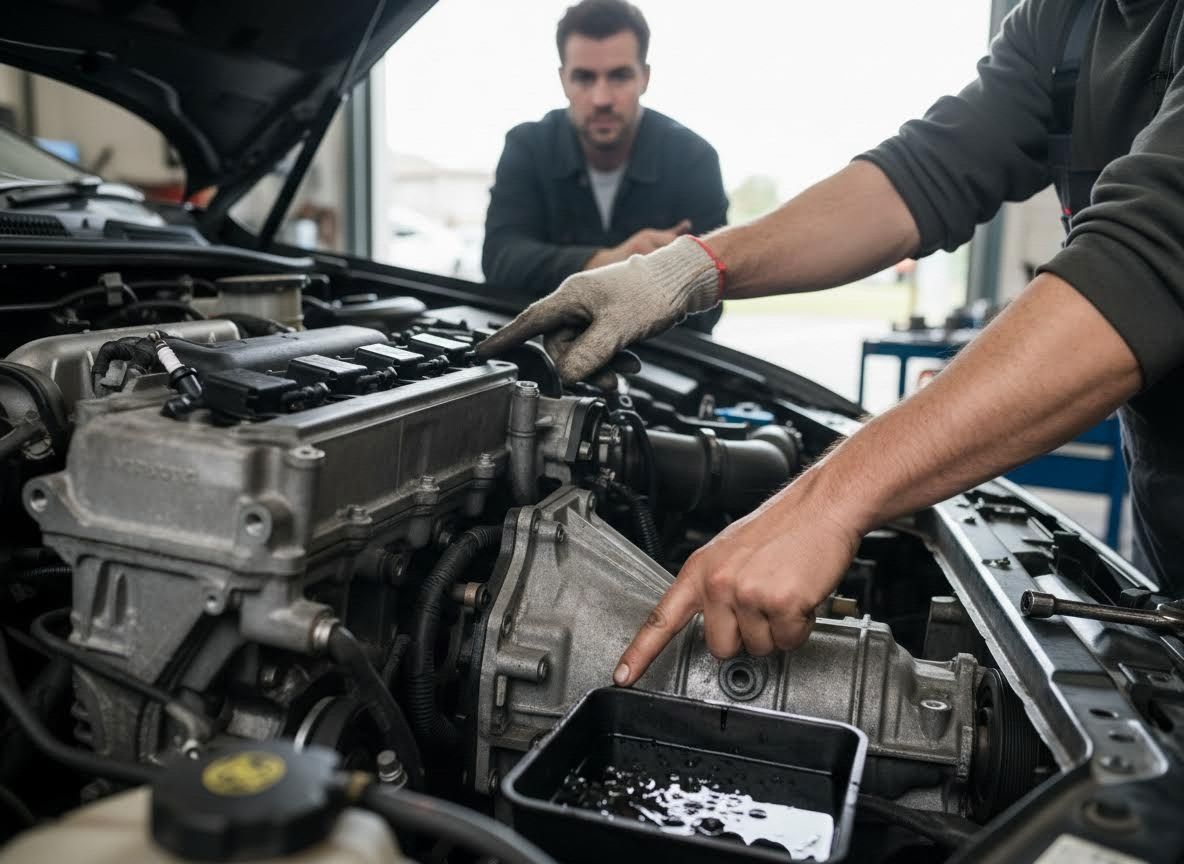
Engine and Transmission Troubles
While less common than tire or drivetrain issues, problems with your engine or transmission can also cause your car to shake when accelerating. An engine misfire, where one or more cylinders aren't firing correctly, can create an uneven power delivery that translates into vibrations. This could be due to faulty spark plugs, ignition coils, or fuel injectors. Transmission issues, such as low or dirty fluid, worn components, or problems with the transmission mounts, can also lead to shaking. If the engine or transmission mounts themselves are worn or broken, they won't be able to absorb the engine's natural vibrations effectively, allowing them to transfer through the vehicle's frame and into the cabin.
Understanding the potential reasons behind your car shaking when you accelerate is the first step toward getting it fixed. Whether it's a simple tire imbalance or a more complex drivetrain or engine issue, addressing these problems promptly is key to maintaining your vehicle's safety and performance. Don't let a minor shake turn into a major repair; for an honest assessment and reliable service that covers everything from routine maintenance to comprehensive repairs, we invite you to connect with The Car ER to ensure your peace of mind on the road.