It's easy to get confused by the many services your car might need, and two common terms that often get mixed up are wheel alignment and tire balancing. Both are vital for your vehicle's safety, performance, and tire longevity, but they address very different aspects of your wheels. At The Car ER, we believe in empowering our community with clear information, so let's break down these essential services to help you understand what your car truly needs.
Understanding Wheel Alignment: Keeping You Straight
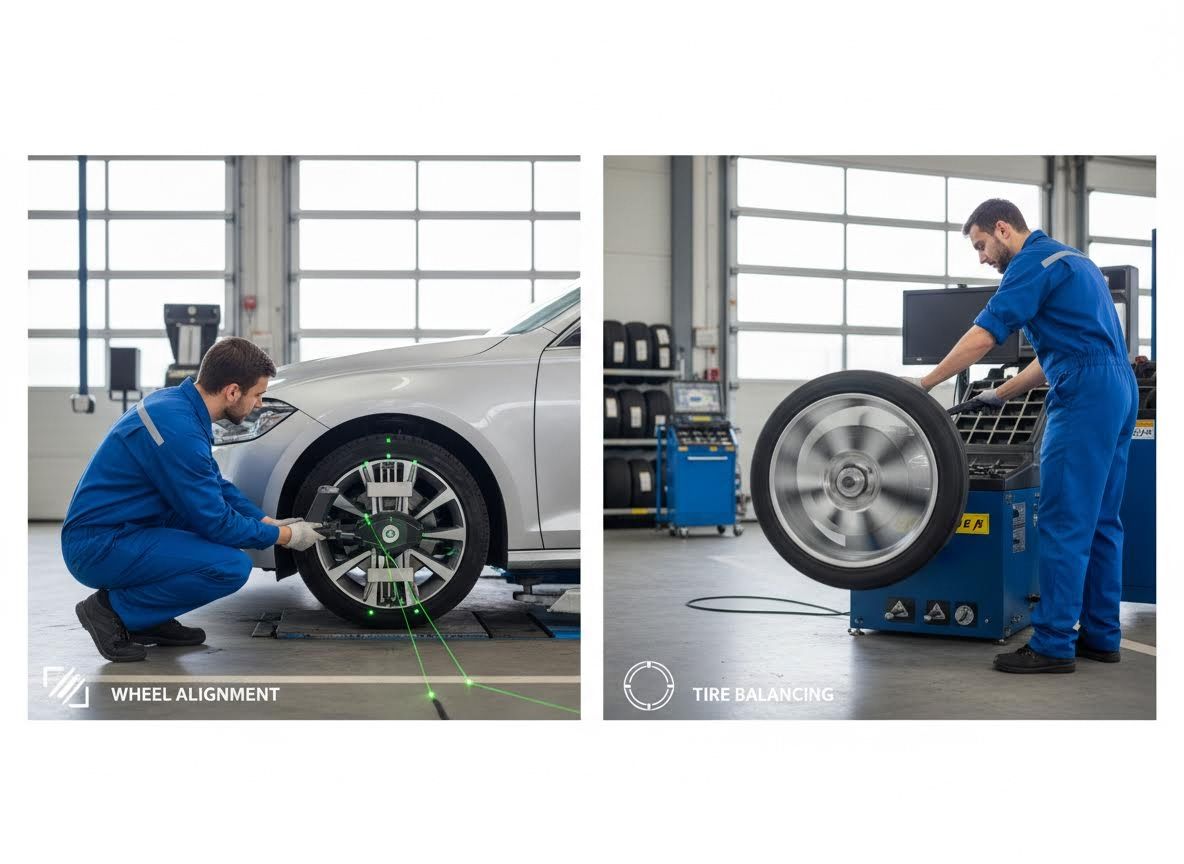
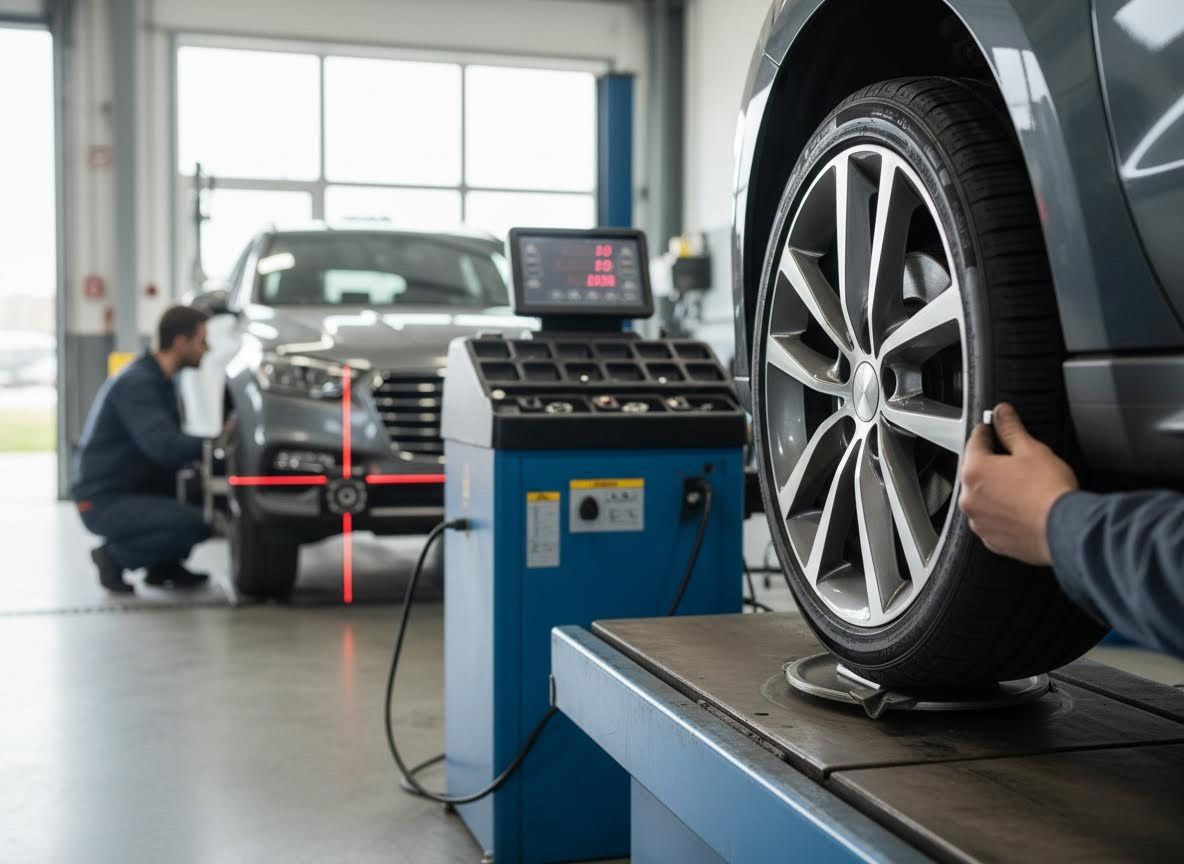
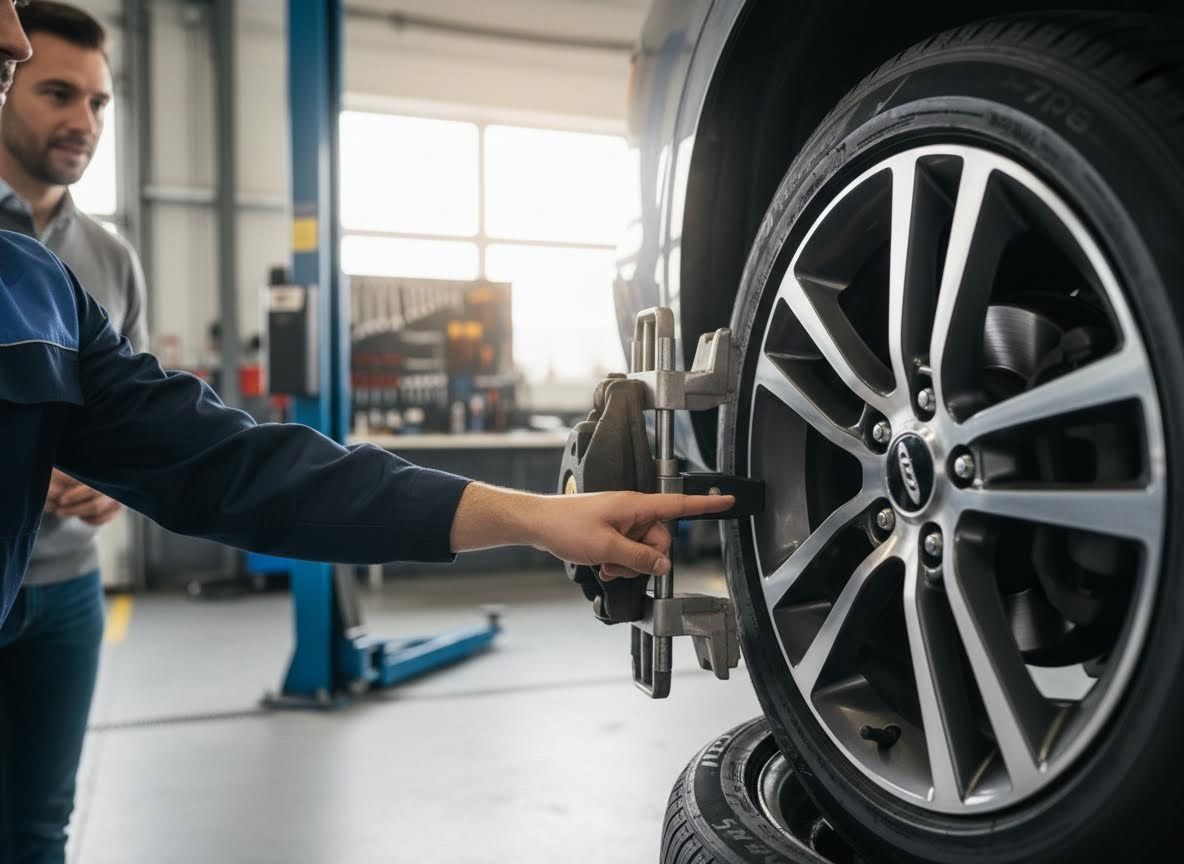
Think of wheel alignment as ensuring all your car's wheels are pointing in the right direction relative to each other and the road. This service involves adjusting the angles of your tires and wheels to the vehicle manufacturer's specifications. There are three main angles checked: camber (inward or outward tilt), caster (angle of the steering axis), and toe (inward or outward angle when viewed from above). Proper alignment prevents uneven and premature tire wear, improves handling, and ensures your vehicle drives straight without pulling to one side. If you notice your steering wheel isn't centered when driving straight, your car pulls to the left or right, or you see unusual wear patterns on your tires, it's likely time for an alignment check. Hitting a large pothole or curb can also throw your alignment off.
Deciphering Tire Balancing: A Smooth Ride Ahead
Unlike alignment, tire balancing focuses on distributing the weight evenly around the entire wheel and tire assembly. Even the smallest differences in weight distribution around a tire can cause vibrations, especially as speeds increase. During a tire balancing service, small weights are attached to the rim to counterbalance any heavy spots, ensuring that the wheel spins smoothly and consistently. This is crucial for a comfortable ride, as unbalanced tires can cause noticeable vibrations in the steering wheel, floorboard, or seats. Beyond comfort, balancing extends the life of your tires and suspension components by reducing undue stress. You'll typically need your tires balanced whenever you get new tires installed, after a tire repair, or if you start feeling vibrations at certain speeds.
Key Differences and When to Seek Help
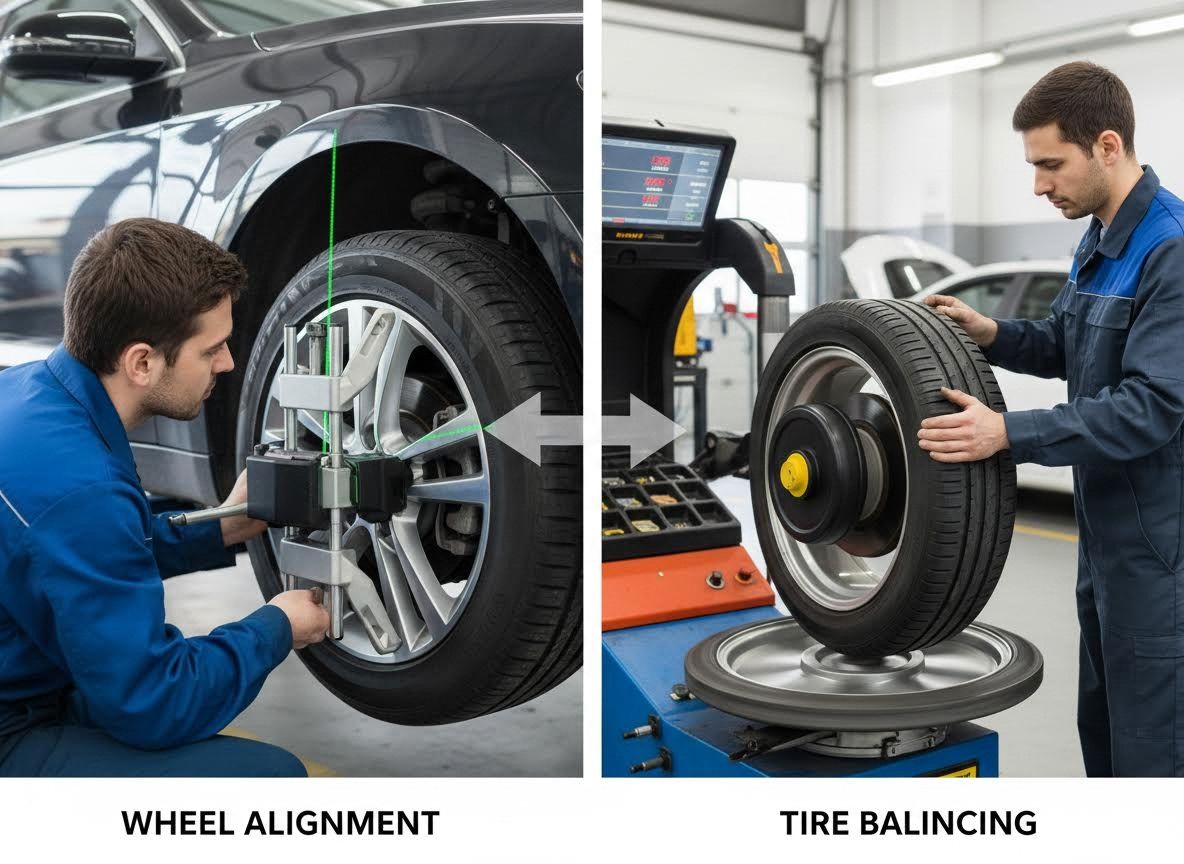
The fundamental difference lies in what each service addresses: alignment corrects the angles of your wheels, while balancing corrects the weight distribution of your wheel and tire assembly. If your car is pulling to one side or your steering wheel is off-center, you likely need an alignment. If you're experiencing vibrations that worsen with speed, especially in the steering wheel or through the car's body, tire balancing is probably the solution. While distinct, both services contribute to a safer, more enjoyable, and more economical driving experience by protecting your tires and suspension system. Ignoring either issue can lead to more significant problems and costly repairs down the road.
Your Car's Health Matters
Understanding the difference between wheel alignment and tire balancing can help you identify potential issues early and seek the appropriate service, ultimately saving you money and enhancing your driving experience. Both are fundamental aspects of routine vehicle maintenance that contribute to your car's longevity and your safety on the road. For any concerns about your vehicle's handling, tire wear, or vibrations, don't hesitate to reach out. The team at The Car ER is always here to provide honest assessments and reliable service, ensuring your ride is as smooth and safe as possible. We encourage you to consult with a trusted mechanic to diagnose any issues and determine the best course of action for your vehicle.