
While engine oil often gets all the attention when it comes to vehicle maintenance, your car relies on a complex system of other vital fluids to operate safely and efficiently. Overlooking these essential liquids can lead to unexpected breakdowns, compromised performance, and potentially costly repairs. At The Car ER, we're committed to helping car owners understand the nuances of vehicle care. Let's explore the critical fluids you should be checking beyond just the engine oil to keep your ride in top condition.
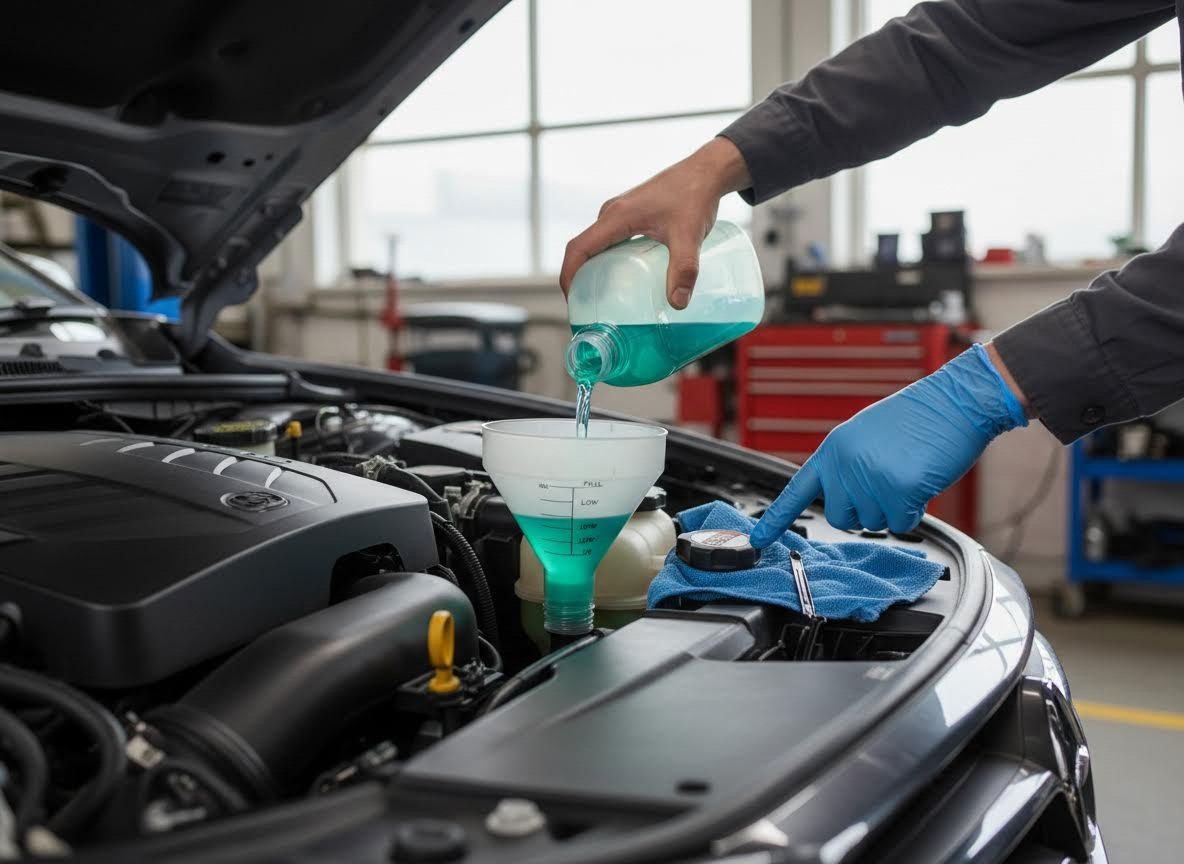
Coolant (Antifreeze)
Your engine generates a tremendous amount of heat, and without proper cooling, it can quickly overheat and suffer severe damage. That's where coolant, also known as antifreeze, comes in. This vital fluid circulates through your engine, absorbing excess heat and dissipating it through the radiator. Beyond just cooling, coolant also contains additives that prevent corrosion within the cooling system and protect against freezing in cold weather. Regularly checking your coolant level and condition is crucial. Low coolant can lead to overheating, while old or contaminated coolant loses its effectiveness, leaving your engine vulnerable.
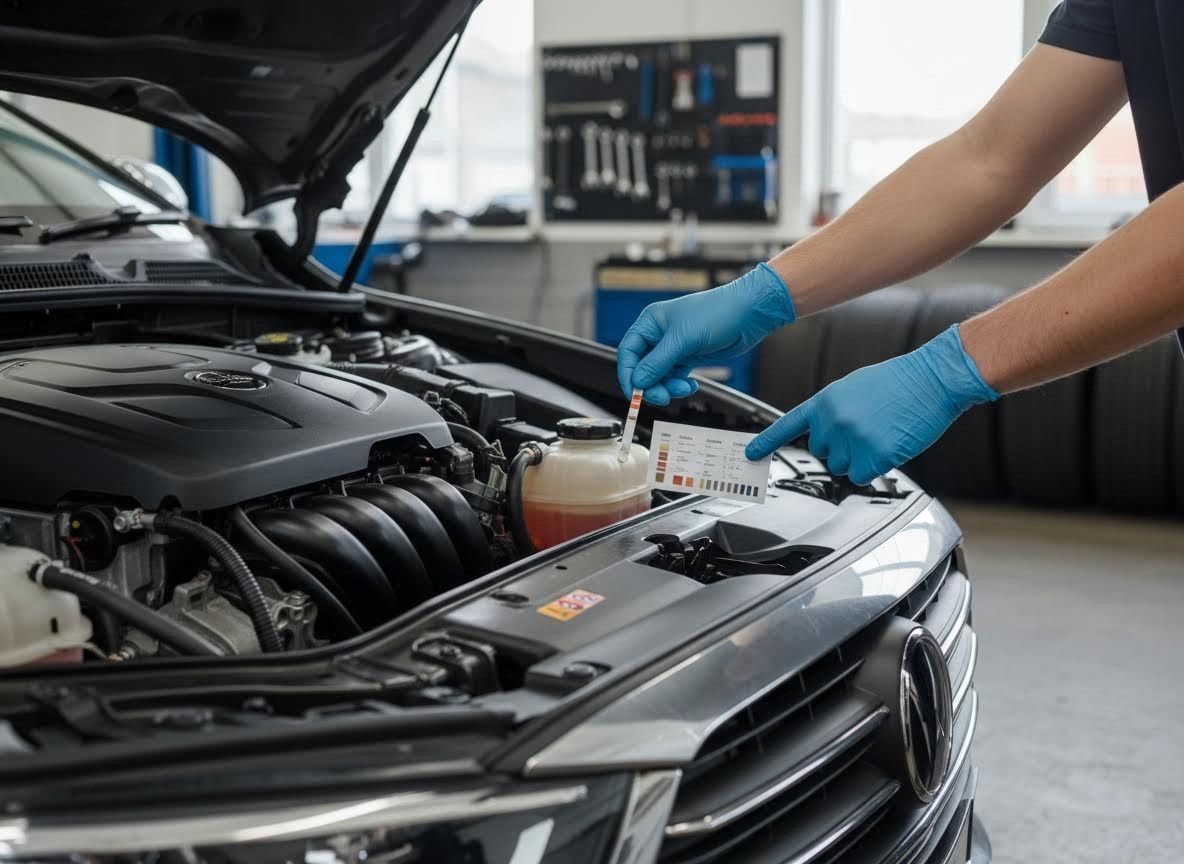
Brake Fluid
When you press the brake pedal, you're activating a hydraulic system that relies entirely on brake fluid to transfer that force to your vehicle's calipers and pads, bringing you to a stop. This non-compressible fluid is engineered to withstand high temperatures and ensure consistent braking power. Over time, brake fluid can absorb moisture from the air, which lowers its boiling point and can lead to a spongy brake pedal or even brake failure, especially during hard braking. It can also cause corrosion within the brake lines. Checking your brake fluid level and having its quality inspected regularly is paramount for your safety and the longevity of your braking system.
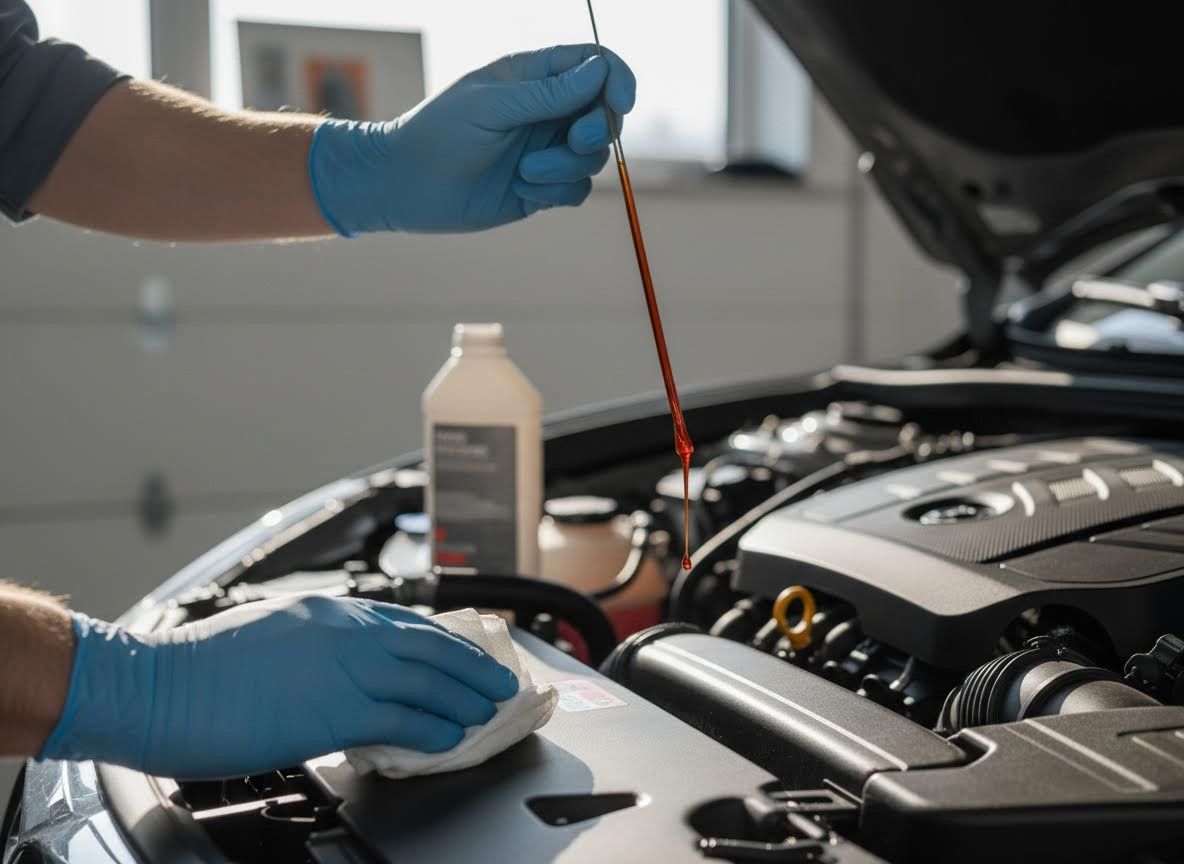
Transmission Fluid
Your car's transmission is a sophisticated piece of engineering responsible for smoothly transferring power from the engine to the wheels. Whether your car has an automatic or manual transmission, it relies on specialized fluid to lubricate moving parts, cool components, and in automatic transmissions, to provide the hydraulic pressure needed for gear changes. Low or degraded transmission fluid can lead to harsh shifting, slipping gears, overheating, and ultimately, extensive transmission damage. Regular checks ensure the fluid is at the correct level and isn't burnt or contaminated, helping to extend the life of one of your vehicle's most expensive components.
Power Steering Fluid
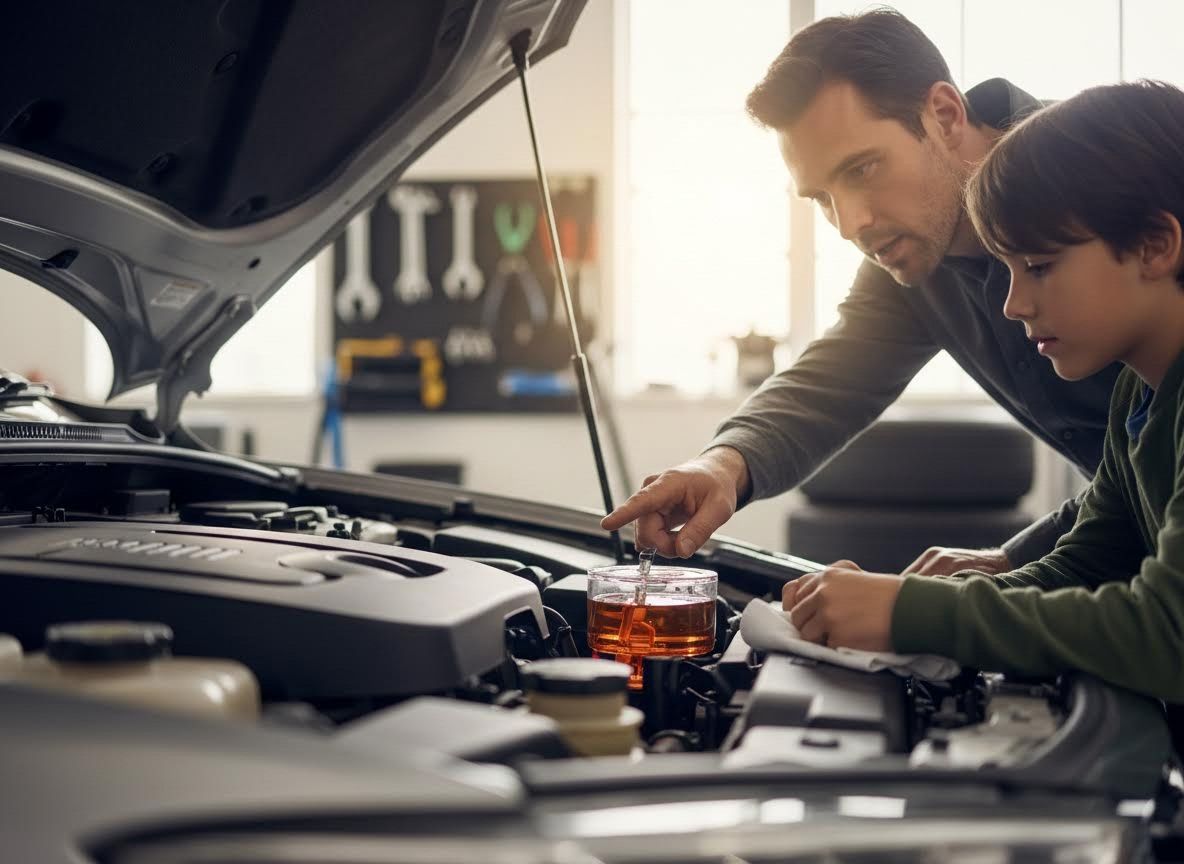
Maneuvering your car gracefully, especially at low speeds, depends on a smooth and responsive power steering system. Power steering fluid is a hydraulic fluid that assists you in turning the steering wheel with minimal effort. When the fluid level is low or the fluid is old and contaminated, you might notice a whining noise when turning, increased difficulty in steering, or a stiff steering wheel. Keeping this fluid at its proper level and ensuring it's clean helps maintain comfortable steering and prevents premature wear on the power steering pump and other components.
Understanding the role of each fluid in your vehicle is a crucial step towards proactive maintenance, ensuring your car's longevity and safety. Just like the human body needs different systems to function, your car relies on these varied fluids for optimal performance. Regular checks and timely fluid services can prevent minor issues from becoming major headaches, saving you money and stress in the long run. If you're unsure about your vehicle's fluid levels or need a comprehensive check, don't hesitate to reach out to The Car ER for expert advice and reliable service.