Keeping your vehicle safe on the road begins with its foundation: the tires. Knowing when your tires need to be replaced is crucial for both safety and optimal vehicle performance. While the classic "penny test" offers a quick check, there are other vital indicators you should be aware of to ensure your tires are in top condition. At The Car ER, we believe in empowering our customers with the knowledge to make informed decisions about their vehicle's health.
The Penny Test: A Quick Tread Check
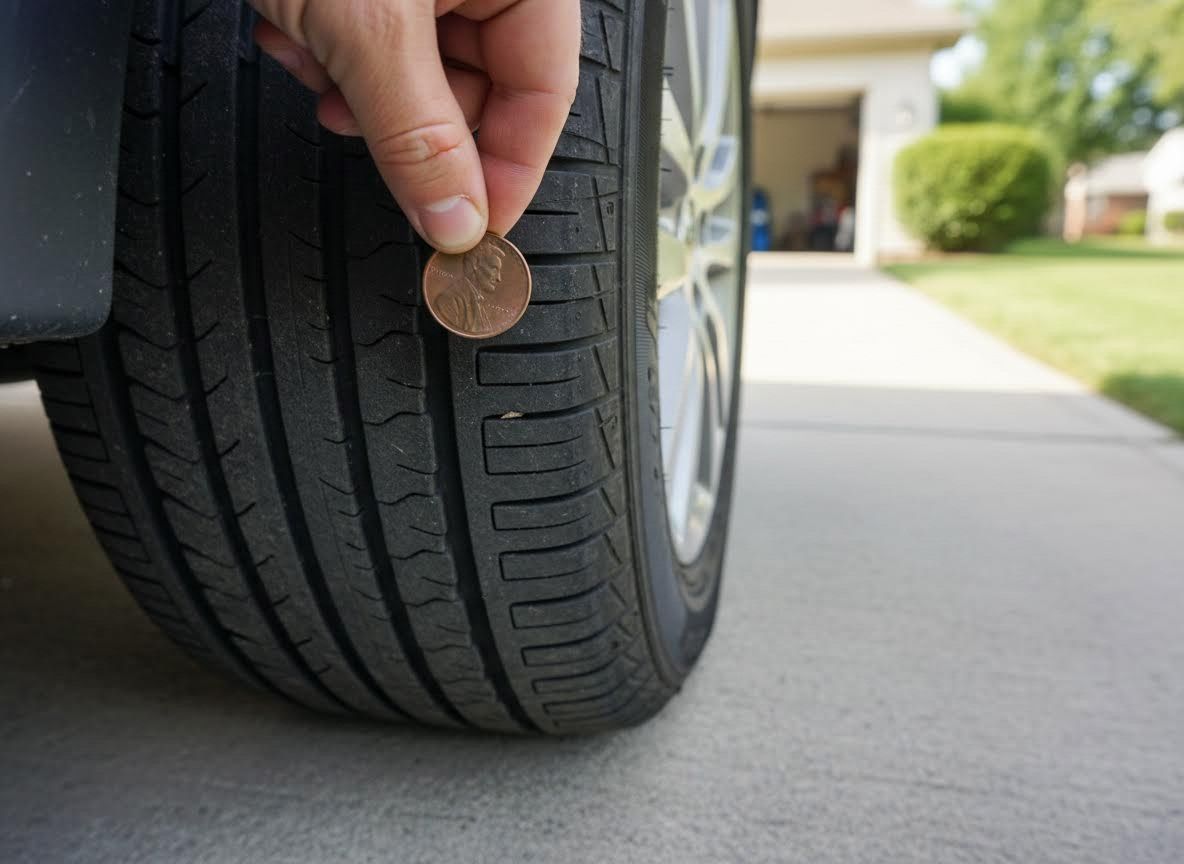
The penny test is a time-honored method for assessing tire tread depth. To perform it, take a penny and place it upside down into a tire groove with Abraham Lincoln's head facing you. If you can see the top of Lincoln's head, your tread depth is likely less than 2/32 of an inch, which is generally considered the minimum safe depth. This indicates it's time to start thinking about new tires. While simple, it's a good starting point for a quick evaluation, reminding you that worn tread significantly reduces traction, especially in wet conditions.
Beyond Tread Depth: Visual Cues and Indicators
Tread depth is just one piece of the puzzle. Modern tires also come equipped with tread wear indicator bars, which are small rubber bridges molded into the tire's grooves. When these bars become flush with the tread ribs, your tires have reached the 2/32-inch mark, signaling that replacement is necessary. Beyond these indicators, look for signs of irregular wear, such as bald spots, feathering, or cupping, which can point to alignment issues or suspension problems. Cracks in the sidewall, bulges, or punctures are also clear signs of damage that compromise tire integrity and require immediate attention from an automotive repair shop. These issues are often easily noticeable with a quick visual inspection.

The Impact of Age and Driving Conditions
Even if your tires appear to have adequate tread depth, their age plays a significant role in their safety and performance. Over time, the rubber compounds in tires can degrade, leading to reduced flexibility and an increased risk of failure, regardless of how often they've been driven. Most manufacturers recommend replacing tires every six years, regardless of mileage, but always consult your tire's specific recommendations. Furthermore, your driving habits and local road conditions greatly influence tire longevity. Frequent driving on rough roads, exposure to extreme temperatures, or aggressive driving can accelerate wear and tear, making consistent checks and proper tire services essential.
When to Seek Professional Help
Understanding these indicators empowers you to monitor your tires effectively. Regular checks, including a comprehensive inspection of tread depth, sidewall integrity, and overall tire condition, are part of responsible vehicle maintenance. When in doubt or when you notice any of the warning signs mentioned, it's always best to consult with professionals. We can provide an accurate assessment and recommend the appropriate tire services, ensuring your vehicle remains safe and reliable on every journey.
Maintaining your vehicle's tires is a critical aspect of overall vehicle safety and performance, extending beyond just checking tread depth with a penny. From understanding visual cues to considering tire age and driving conditions, proactive tire care is paramount. Whether you need comprehensive tire services, a full synthetic oil change, or more extensive repairs, understanding your vehicle's needs is the first step. For more insights into keeping your vehicle in peak condition, reach out to us today.