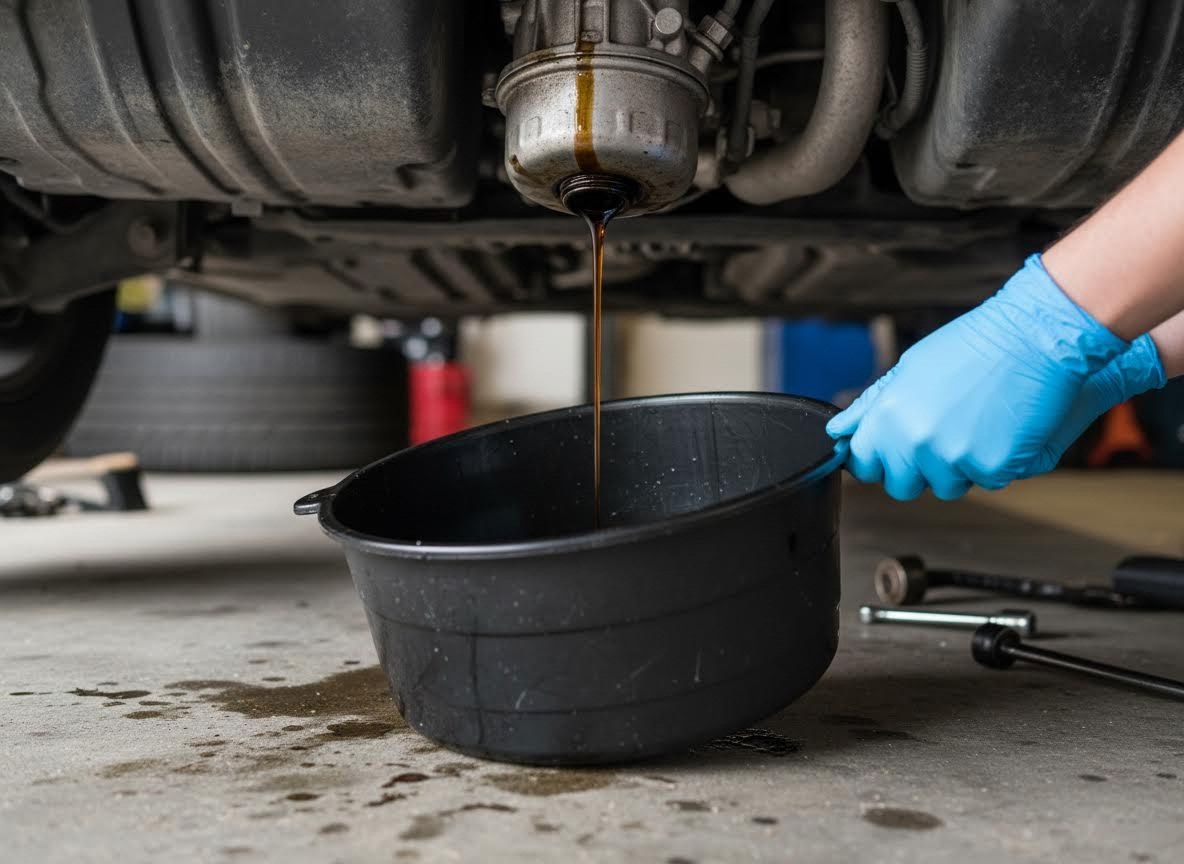
Your engine is the heart of your vehicle, and just like any vital organ, it needs proper nourishment to function optimally. Engine oil is that nourishment, flowing through its intricate pathways to ensure smooth operation and extend the lifespan of your car. Neglecting this crucial fluid can lead to serious and costly problems down the road, making regular oil changes a non-negotiable part of vehicle ownership. At The Car ER, we emphasize the critical role regular maintenance plays in your vehicle's longevity and performance.
The Multifaceted Role of Engine Oil
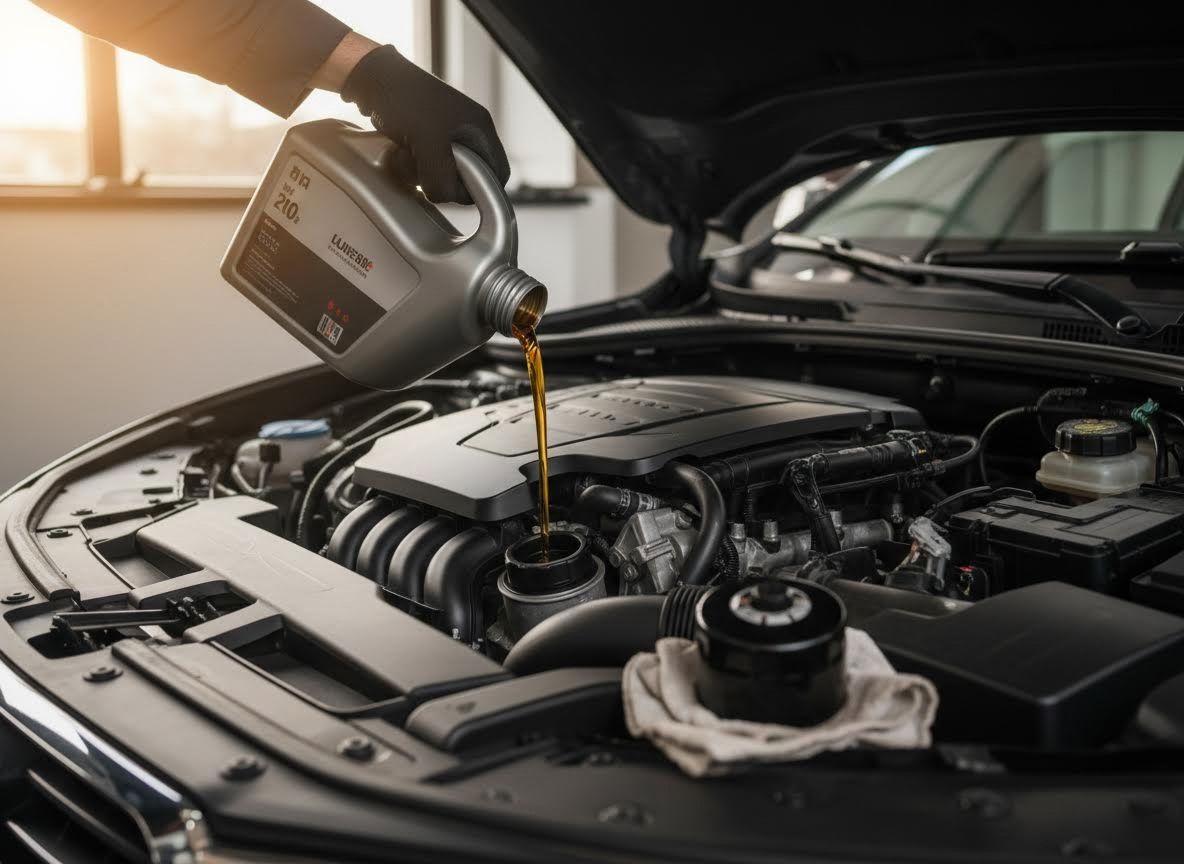
Engine oil performs several vital functions that keep your vehicle running smoothly. Firstly, it acts as a lubricant, reducing friction between the numerous moving parts within your engine. Without adequate lubrication, these metal components would grind against each other, causing rapid wear and generating excessive heat. Secondly, oil helps to cool the engine by dissipating heat generated by combustion and friction. It carries heat away from critical areas, preventing overheating. Lastly, engine oil cleans the internal components, picking up dirt, debris, and microscopic metal particles, and holding them in suspension until the next oil change.
The Risks of Neglecting Your Oil
When engine oil is neglected, its ability to perform these vital functions diminishes significantly. Over time, oil breaks down, losing its viscosity and lubricating properties. It also becomes saturated with contaminants, turning into a thick, sludgy substance that can clog vital oil passages. This leads to increased friction, greater wear and tear on engine components, reduced fuel efficiency, and a higher risk of overheating. Ultimately, a lack of timely oil changes can result in severe engine damage, leading to expensive repairs or even complete engine failure, which is a situation every driver wants to avoid.
Choosing the Right Oil and Schedule
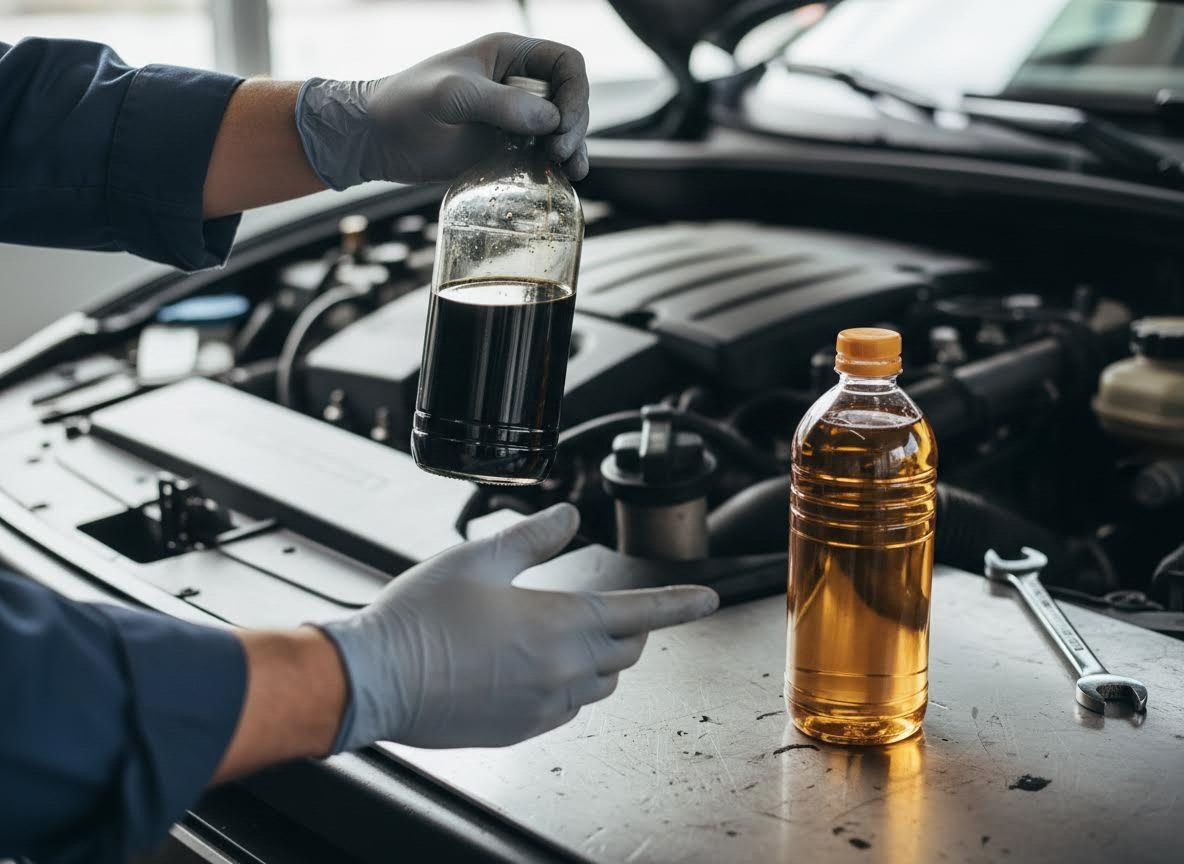
Not all engine oils are created equal, and understanding the differences can significantly impact your engine's health. While conventional oils are suitable for older vehicles and less demanding driving conditions, many modern vehicles benefit greatly from a full synthetic oil change. Synthetic oils offer superior lubrication, better performance in extreme temperatures, and a longer lifespan, allowing for extended oil change intervals. Always refer to your vehicle's owner's manual for specific recommendations on oil type and change frequency. Factors like driving habits, climate, and vehicle age can also influence the ideal oil change schedule.
Beyond the Oil Pan: Comprehensive Vehicle Care
While regular oil changes are fundamental, they are just one component of a holistic vehicle maintenance strategy. A reliable automotive repair shop will not only handle your oil service but also provide comprehensive inspections that can identify potential issues before they become major problems. This includes checking fluid levels, brakes, belts, hoses, and crucial components like your tires. Proper tire services, for instance, are just as important for safety and efficiency as engine health. A complete approach ensures all systems are working in harmony for optimal vehicle performance and safety.
In summary, maintaining a consistent oil change schedule is not merely a recommendation; it is an essential investment in your vehicle's health and your peace of mind. Regular oil changes protect your engine from premature wear, enhance performance, and prevent expensive repairs. For comprehensive vehicle care, including expert advice on your next full synthetic oil change and essential checks like tire services, trust the experienced professionals at The Car ER. To learn more about optimal maintenance practices for your vehicle and keep it running like new, reach out to us today.